INEFFICIENCY Thursday, December 31, 2009
Rounds began with a long discussion of whether there were 10 or 11 patients in the female ward. There were 10 ‘charts’ but head count was 11. The ‘charts’ are pieces of paper attached by a fold in the corner. History, exams and medication lists are randomly documented. One important project for me is to get supplies to make charts. The challenge will be to teach the staff to implement and maintain this.
I ordered supplies (short-acting insulin and sutures), from a private pharmacy in Lilongwe, that the hospital ran out of a few days ago. The package arrived in Mangochi yesterday, and we picked it up. I entrusted the package to the clinical officer, Mr. Moda. A patient came in today with an elevated blood sugar of nearly 500, and the medical assistant could not find the insulin. He came to my house, and we searched together. First, the cell network was down. We couldn’t reach Mr. Moda. We checked all the refrigerators in the hospital. We couldn’t get into the pharmacy because we didn’t have the one key, and didn’t know who had the key. Arthur, the pharmacist, was out of reach. We walked to the Matron’s house and she didn’t have the key. After walking from house to house, we did locate the key. The insulin was not in the pharmacy. As a last resort, we decided to check in the ambulance, so we retrieved those keys. There was the package containing the insulin!! It sat in the heat of the closed vehicle all day. So after many hours and several miles, the patient was successfully treated with fluids and insulin, and was discharged.
There is no accountability of medications and supplies, and there is no communication.
Selina, the children and I spent New Year’s Eve, in the dark, dancing to music on our computers.
VISITING THE HEALTH CENTRES Wednesday, December 30, 2009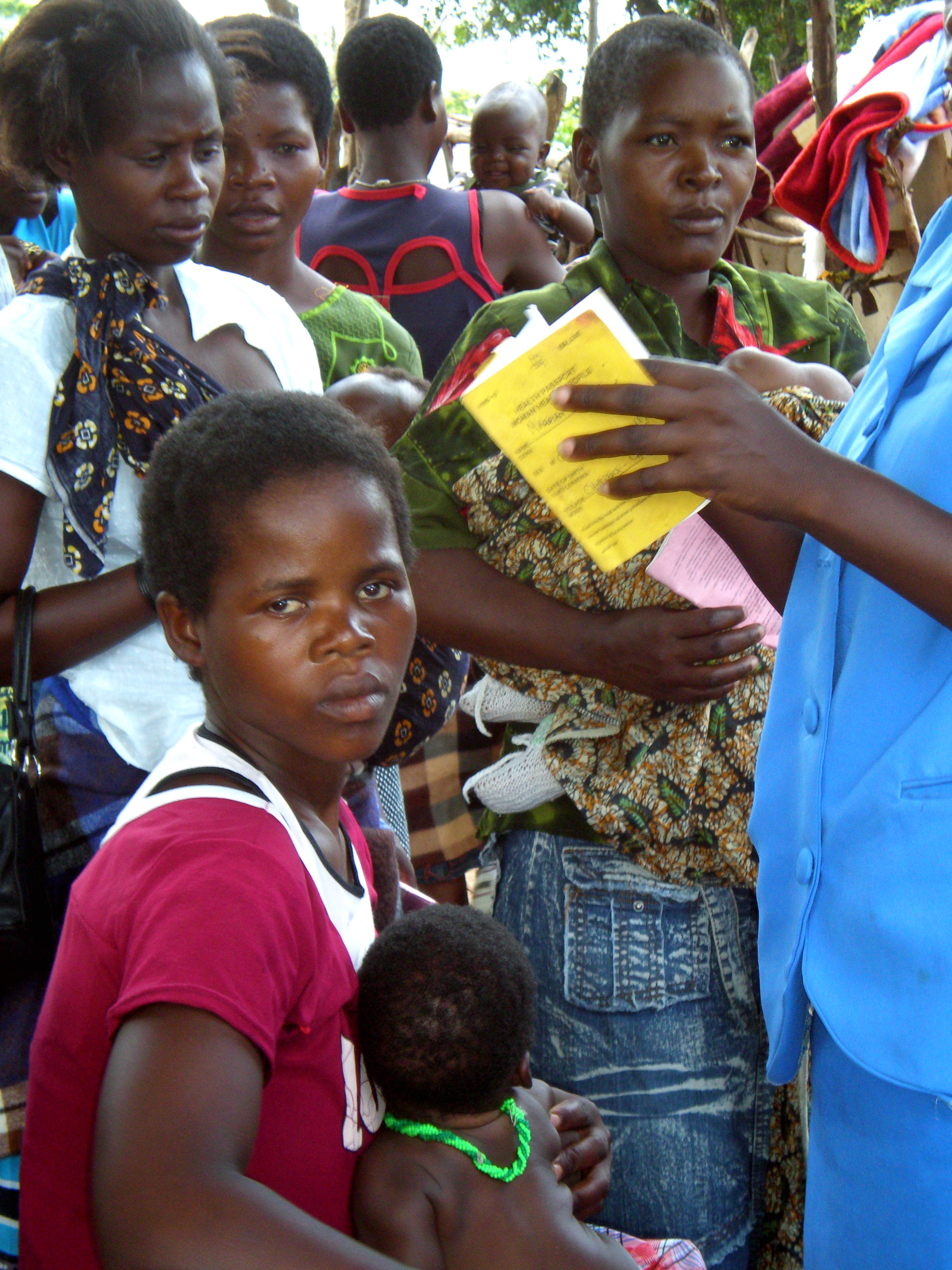
Today, we visited two of the three health centres – Nkope, 68 km NW and Mpondasi, 35 km SW. It is unsafe to go to Lulanga, 108 km N, because of the rains. I am not disappointed. The journeys are tiresome, and it is painful to see the awful conditions and lack of supplies The Administrator, Matron and Chief Clinical Officer are meeting others and discussing how I can have the most impact. One good idea is teaching nurses and medical assistants to run diabetes and hypertension clinics. The majority of Malawians have elevated glucose and blood pressure which is not being treated. Even the health care professionals do not have a good idea of treatment, prevention and diet.
I have house guests. Selina arrived today with 4 nieces and nephews – Sam, Diana, Sare and Shawn, to celebrate New Years. They are wonderful children – polite, patient, and intelligent. English is taught early on in school so we were all able to communicate.
As usual, the electricity went off and we ate by candlelight. The heat is so unbearable without the fan.
GREAT CLINICAL CASES ON A VERY RAINY DAY Tuesday, December 29, 2009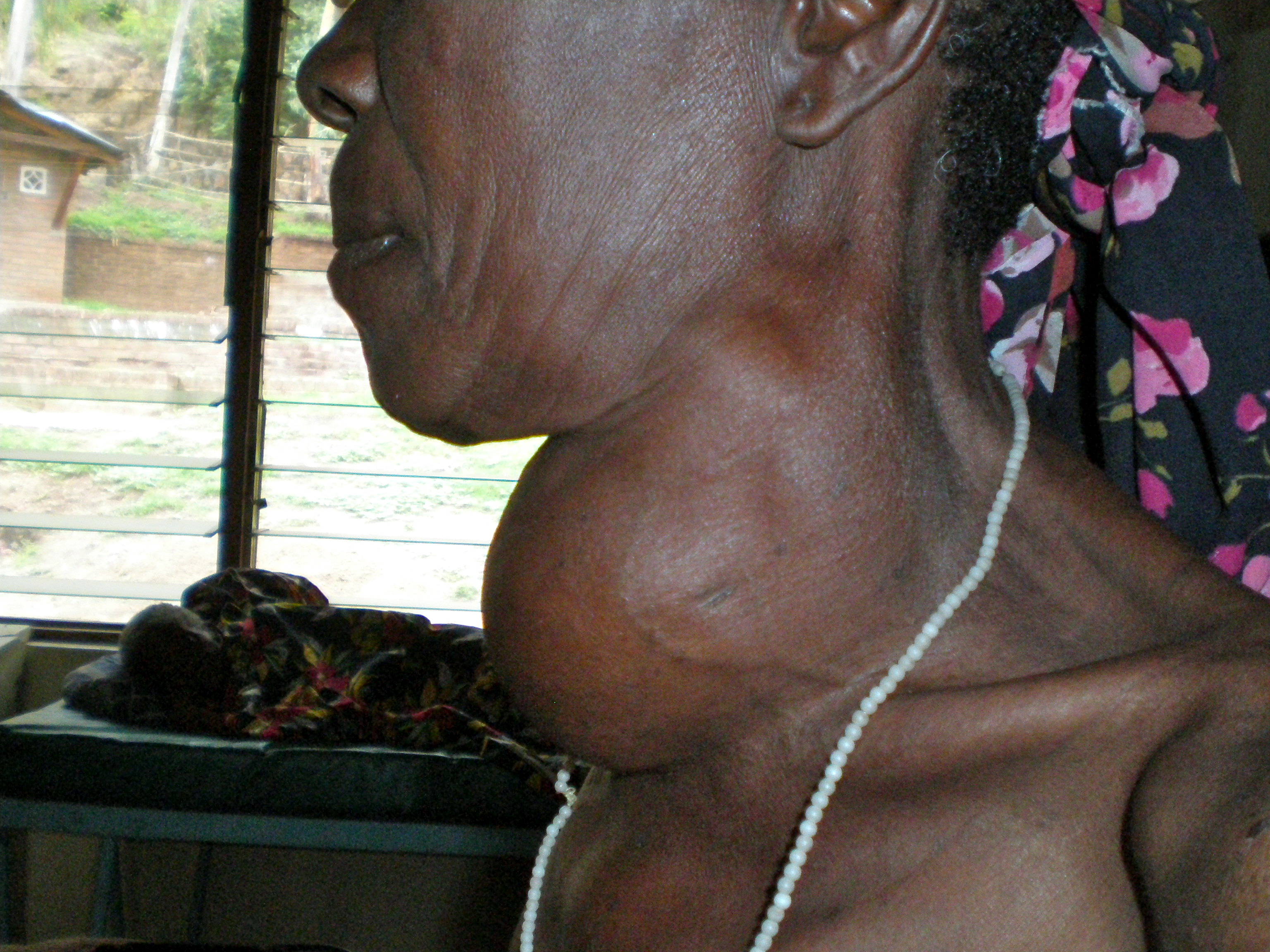
It rained so hard today that the storage shed on the side of my house lost an entire brick wall.
The people are more comfortable with me and many hospital workers are coming up to me with their medical problems.
I went to HIV clinic which is in fact very well organized. There is a strictly adhered to protocol, set by the World Health Organization(WHO) and agreed to by the Malawi government. There are always enough anti-retroviral medications, and the ongoing education both in groups and individually is very good
I also did ward rounds, and saw many sick patients – a man admitted with the largest liver I have ever seen (hepatitis B is very common) and a woman with a goiter (enlarged thyroid gland) the size of a soccer ball.
I now take Chichewa lessons by Mercy who also washes my clothes. James, my cook and housekeeper, cooks wonderful vegetarian and fish dinners.
If I only had electricity and water all the time, my three-bedroom house on the lake would be paradise.
I AM THE PATIENT Monday, December 28, 2009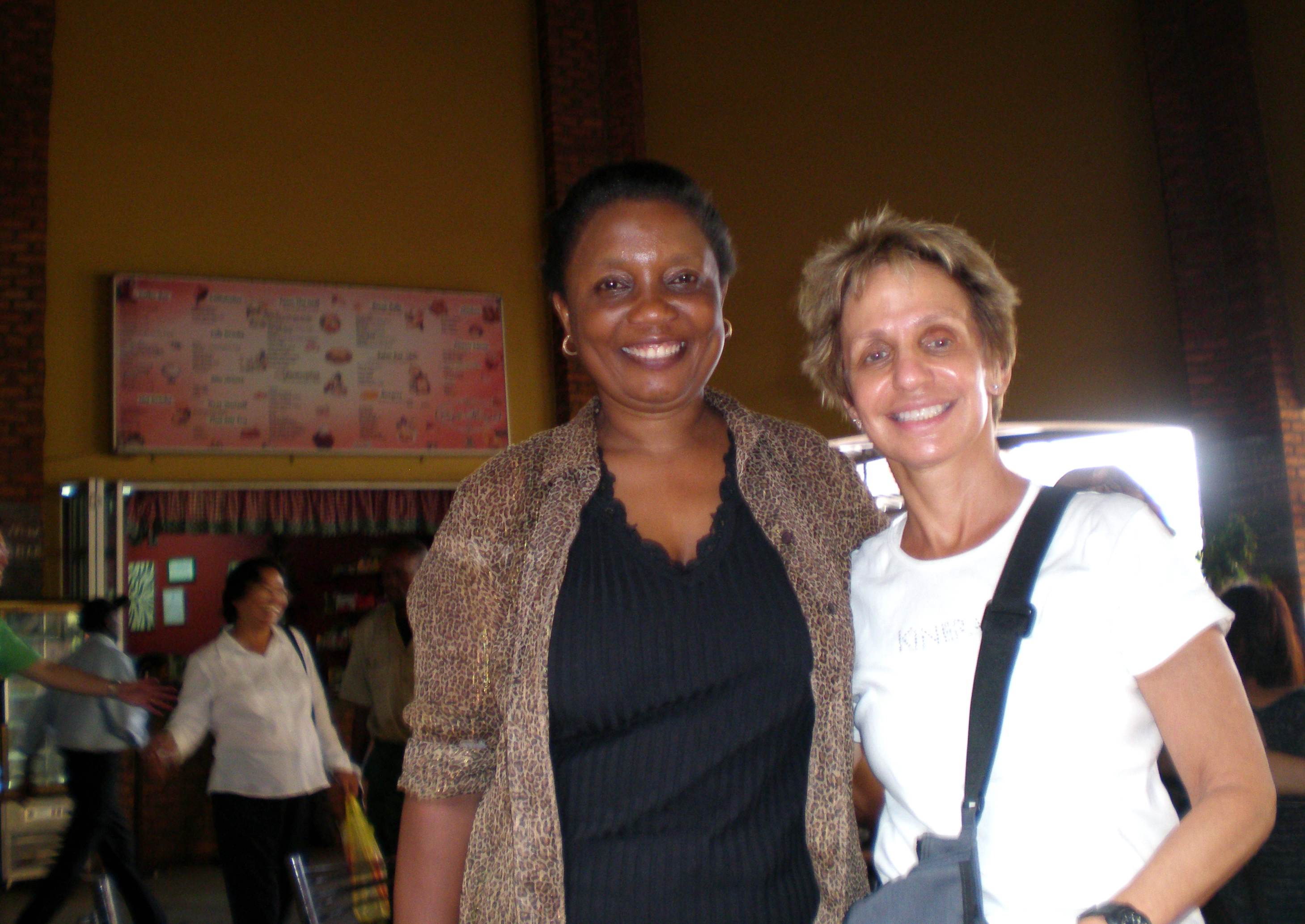
It is one thing to come here as a doctor and the other to be a patient.
For the past few days, I have seen black spots, swirls, lines and webs in my right eye vision. This could have been a medical emergency, indicating retinal tear(s) or a retina detachment. I knew it couldn’t be ignored. I needed an opthamologist, preferably a retinal specialist, to look at my eye.
At 6 AM I headed out in the ambulance with the driver, Eric, for our 3-hour journey to Blantyre to go to the outpatient eye department at Queen Elizabeth’s Central Hospital. We arrived to find the private eye clinic closed until after New Year’s. I walked into the public clinic to find the guy at the front desk taking slugs from his bourbon bottle. I was told all doctors were on holiday until January 4th. After waiting on the bench with many motley looking characters, I finally saw a clinical officer who dilated my eye (yes, I insisted he use a new bottle of dilating drops, which took ages to find). He saw no tear or detachment, but neither he nor I were very comfortable with his exam. He wanted me to go to Lilongwe to see the country’s only retina specialist. Then, a female opthamology resident arrived and felt my retina were normal to her thorough exam. She saw many vitreous floaters which can occur in ‘mature’ eyes. I walked away feeling comfortable. She and Selina (see photo), who stayed with me in Blantyre, were truly was my guardian angels today.
MY FIRST PATIENT Sunday, December 27, 2009
Slept late. Grabbed my camera. Walked the perimeter of the mission and hospital. A medical assistant, one of two covering for the entire hospital, stopped me to examine an 11-month-old baby boy, who was covered with worsening large blisters from head to toe, including in his mouth and on his genitalia. According to the mom, who was 7 months pregnant, the blisters began soon after birth. The baby, who had received all immunizations, had a high fever. He was admitted in the early morning, and since the lab was closed and there are virtually no diagnostic tools anyway, he was treated empirically with Gentamycin, Penicillin and Chloramphenical – three antibiotics, Quinine – for malaria and Panadol – same as Tylenol. That is the general cocktail for anyone who comes in with a fever.
I have never seen such a sick looking baby (see photo) and thought perhaps he had Steven-Johnson Syndrome, a blistering skin condition with a high rate of mortality. It could be from the immunization, from disease (such as malaria), or from medication he received previously. I had him transferred (after difficulty finding the one driver for the one ambulance) to a larger hospital for better diagnosis and more sterile treatment of the blisters.
The family was terrified that the next baby would have the same condition because the mom had bad spirits. The grandmother was also most upset that they didn’t have money to pay for the baby’s treatment. The husband rushed home nearly 60 km to collect money from the fellow villagers to pay the hospital. Despite their poverty, Malawians have such pride and a sense of moral obligation.
I cannot close without mentioning the engagement party I attended. It was held in the hall of St. Martin’s Secondary School. Close to 1000 people attended. It lasted 3+ hours. It was a huge ceremony of dancing and gift giving – mostly money, but also, live chickens passed from person to person, cooked chicken that were eaten by hand on stage. There were relatives holding fruit wrapped up in plastic, and many people were called up in groups to dance around large baskets into which they threw in Kwatra bills. The two future brides and grooms sat on stage, each in armchairs, talking to no one.
THE OFFICIAL WELCOME Saturday, December 26, 2009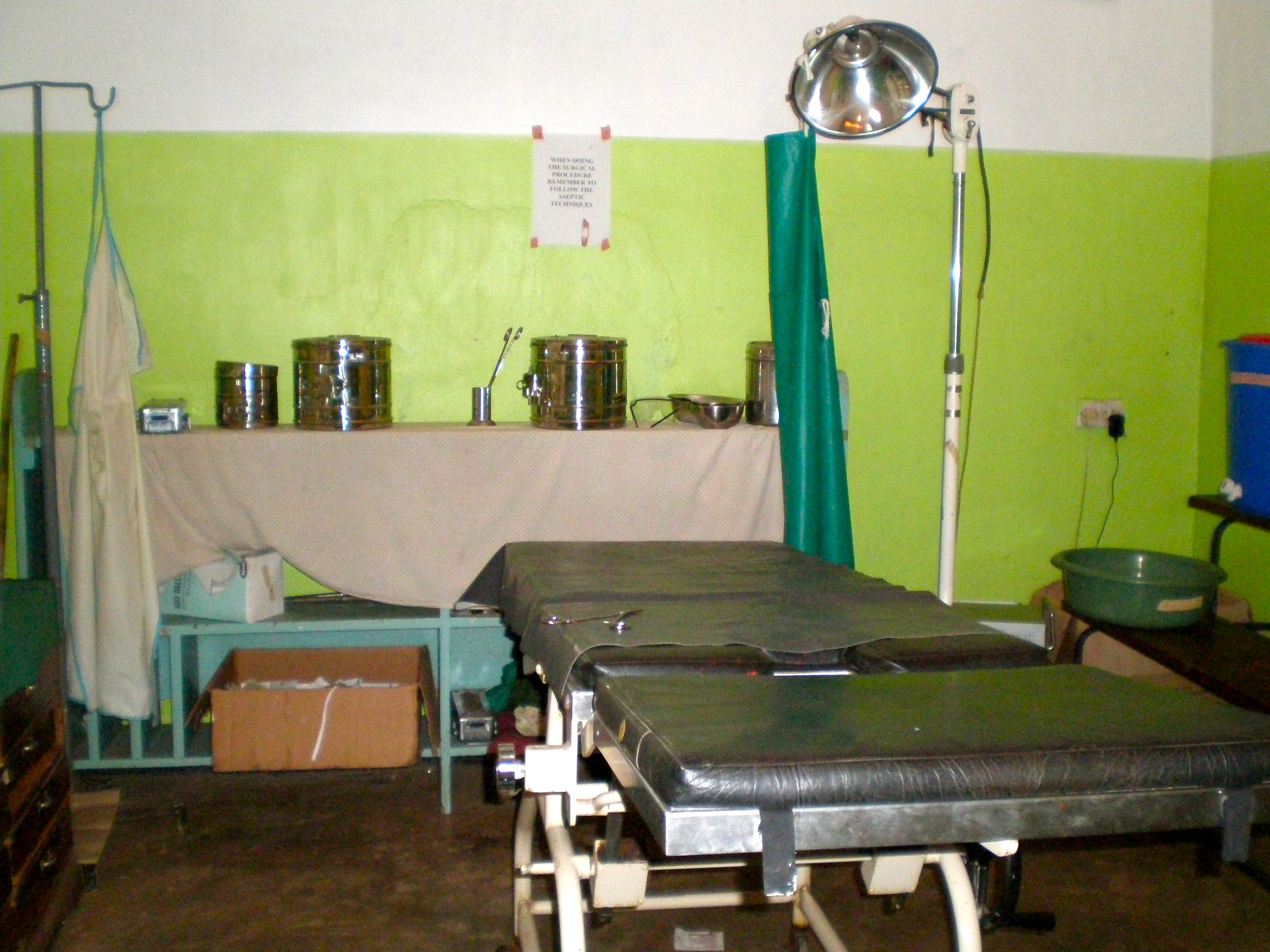
This morning I met with acting chief clinical officer, Mr. Moda, and again he presented quite a grim picture of the decline of St. Martin’s.
A big meeting was scheduled. Every department chair, including clinical staff, nursing, pharmacy, and dentistry were to meet with me to give me an oral presentation of what their department does and needs. The meeting was at the ‘expatriate’ restaurant, the Mezani. The view overlooking the lake is magnificent, and the breeze on the shaded porch makes it the only cool place in the village. The meeting was scheduled for 2 PM but most were there close to 3 PM. ‘Malawi time’ is slower than ‘Tahoe time’. I was seated between the Priest and the Administrator at the head of this table – being the only white person in the room. Everyone was served a bottle of Coke or Fanta, and 4 sandwich cookies. I am sure much of the population has type 2 diabetes.
I was overwhelmed by the repeated reports of the lack of supplies. There are 5-10 births a day and no ultrasound machines. There is not enough suture material to sew up birthing tears.There are 20-40 children in the pediatric ward a day. Most are there with malaria, anemia( the average admission hemoglobin is 3-4), diarrhea and bacterial pneumonia. There are no reliable oxygen compressors. Nasal cannulas and suction tubes are reused. Despite this, the hospital plays a major role in the community, treating and healing patients from many kilometers away.
CHRISTMAS Friday, December 25, 2009
Did not sleep well last night. Heard voices and saw flashlights outside of my front door. I looked out and to my surprise, the entire expanse of the lake was lit up with the lights fishing boats. I found out this morning that the fishermen who have a full catch pull up in front of my house to drop off their fish. When they arrive they make a loud chanting noise. I was invited to Christmas Mass at the Anglican Church, a 30 second walk from my house, which is amazing. It is a red brick church built in 1898. Yesterday I attended a baptism for at least 80 babies.
This morning, I arrived at Church at the designated time – 7:30 AM. The service had started but there was hardly anyone there. Groups of villagers gradually arrived – the different choirs, in matching colors and uniforms; the Matrons in white caps and shirts, and blue skirt; the mothers with babies tied to their backs, and many, many children of all ages. Most every adult I have spoken to here has 7-10 children. There were close to 400 people in the church.
The dress is eclectic, to say the least. Clothes are second hand mostly from the UK and US. Most worshippers wore shoes. The attire ranged from shiny prom dresses on young girls to ill-fitted pajama shirts and army fatigues on men. Many women dressed nicely.
Naturally all the prayers, led by the Priest, and his assistants, was in Chichewa, the Malawi national language. The choirs sang separately and together. The music was glorious. Towards the end of the 3-hour service, the Priest introduced me to the congregation and gave me a very nice welcome. I stood up and said “moni” , which means hello/good morning in Chichewa, and explained why I was in Malindi. It was a special experience. The one thing I saw is that despite abject poverty, the people are happy and gentle.
CHAMBO Thursday, December 24, 2009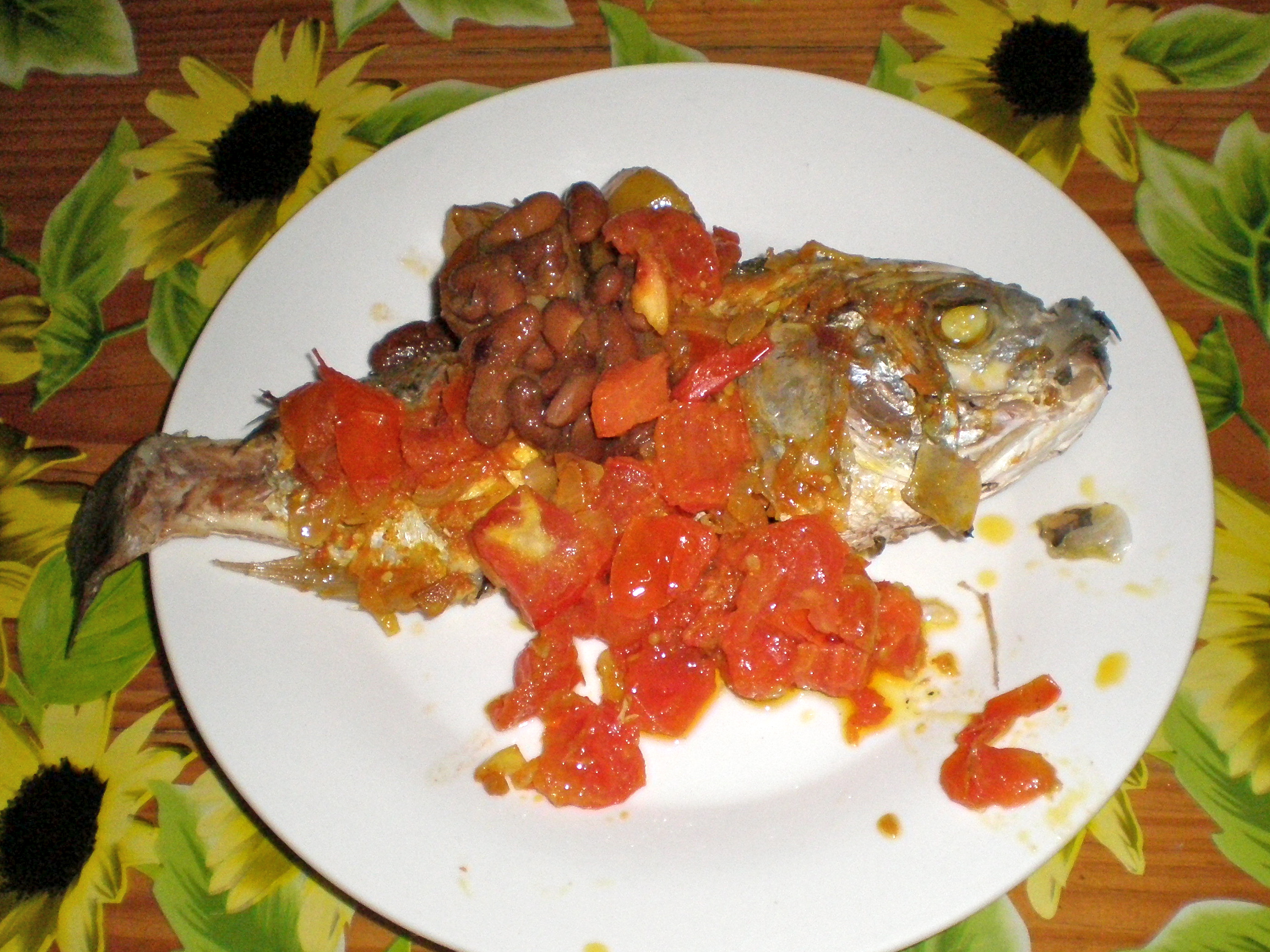
When Selina left yesterday I felt like I was a kid left at sleep-away camp for the first time, saying goodbye to her mother. Today, I feel at home. In the 24 hours I have been here there are many lessons I have learned. Get ready for bed before it gets dark. If you are not ready the electricity will definitely go out. Wash your hair when there is still water coming out of the faucet. Do not spray 100% DEET on your toenails because it works better than nail polish remover. Do not try to close a window by pulling on the latch attachment because it may come off and cause you to fly on the concrete floor on your back.
I have eaten three meals today, two of rice and beans, and of course, I have Chambo (the native fish local to Lake Malawi) for dinner every night. Delicious but I am glad I bought eggs and cheese and crackers in the market before I came. I am sure everyone has heard of the Freshman Fifteen, I may be first to represent the Africa Eighteen.
St. Martin’s Hospital is private, as opposed to government-run. They receive their supplies through what they collect from patient fees and donations. They receive very little in donations and many patients do not come until they are very sick because they cannot afford to pay. A hospital consultation is 30 Kwatra (150 Kwatra = $1.00). That is right, 30 cents!! A delivery is 500 Kwatra, A surgery, such as a C-section, is 1500 Kwatra ($10.00). The majority of in-patients I saw today were admitted with malaria and anemia. An 18-year-old boy came in with a hemoglobin of 3. There are IV fluids and enough malaria medications (That along with anti-retro virals – drugs to treat HIV – are supplied by the government). However, there is no blood bank, so the guardians (the family that feeds and cares for the patient) donate units of blood to transfuse the patients.
In addition to malaria, other common diseases are TB (There is a TB ward), HIV, Syphilis and hepatitis B. Surprisingly to me, there is not alot of Schistosimiasis (parasites from stagnant water) nor Cholera.
The operating theatre is really scary. There is a talented anesthesiology clinician, Geoffrey, but there are no operations being performed for the following reasons. The Oxygen compressor sporadically works; the clinical surgeon on staff only does C-sections, There is no vicryl suture material, which is absolutely necessary to attach the fascia (tissue under the skin). The building was the original clinic built in the early 1900’s and it is falling apart.
The focus here, as elsewhere in Africa, is the maternity ward. There is a major encouragement at government and private levels for women not to give birth in the villages. Many pregnant women come here to stay in the maternity ward for days, weeks and sometimes, months. They arrive with guardians and their other children who camp outside of the ward. They attend classes on nutrition, disease prevention, and birth control (Reportedly used, but it is not obvious to me). It is quite a sight, and a process that truly decreases birth mortality and morbidity.
MY FIRST NIGHT IN MALINDI Wednesday, December 23, 2009
Selina and I arrived in the afternoon. Malindi is a village 20 km from Mangochi, which is a town with a post office and district hospital. St Martin’s Hospital in Malindi was initially built in the early 1900’s by the Anglican missionaries. It is at the base of Lake Malawi, where both missionaries and natives would stop during travel. The road between Malindi and Mangochi was unpaved until a few years ago.
We were greeted by Mr. Bernard Ngosi, the administrator, Charles, the caretaker of the property, James, my cook/housekeeper, and later by Reverend Pembamoyo, the priest in charge of the Malindi Mission. I now reside in a 3-bedroom house on the lake, with electricity (+/-), a flush toilet, an indoor/outdoor kitchen, and beautiful views of the sunset. I am glad I brought soap, washclothes (thank you Jessica), bottled water (18 liters), 100% DEET, and flashlights. I was warned that sometimes the generator goes off at night. And sure, enough, at 6:40 PM, 10 minutes after sunset, it was out. Before Charles left, he made sure I had two candles. My favorite thing of all here, so far, is my fan; yes, Jerrold, my fan. Since the electricity is now out, I have had to open a window and despite a screen, I have befriended multiple mosquitos and other crawling and flying creatures. There have been three dogs sleeping in my back yard. They belong to Mr. Ngosi, who lives next door. I will resist in petting them because of the risk of rabies, which is very common in Malawi.
I toured the hospital today with Mr. Ngosi. The conditions are extremely poor. When the electricity goes out, only the light in the operating theatre has alternate power. Tomorrow I work with the clinicians/medical officers on the wards and clinics.
DRIVE TO BLANTYRE Tuesday, December 22, 2009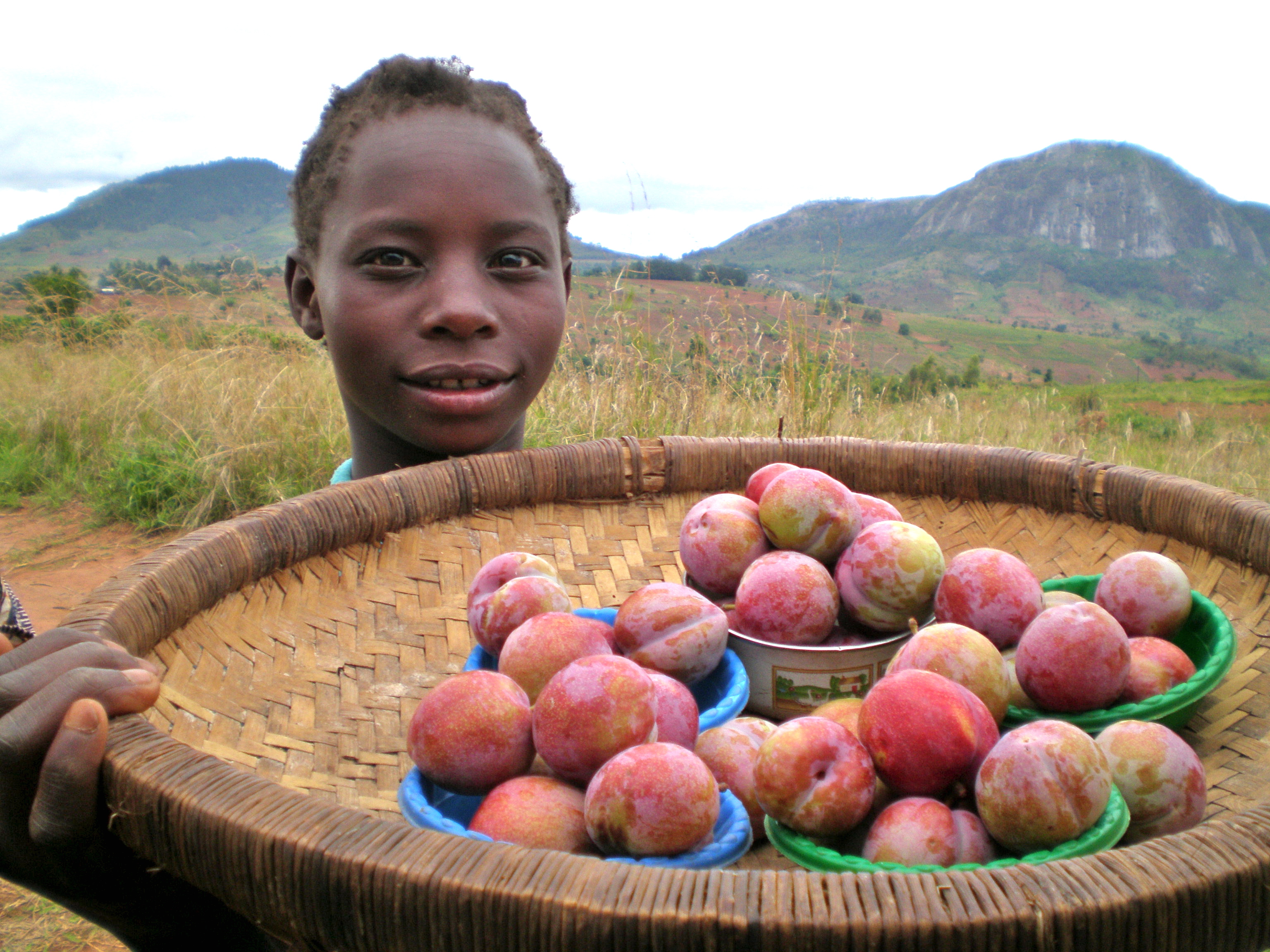
The South African Airways flight from Johannesburg to Lilongwe left on time. In the 2 + hour flight we were served pre-dinner beverages, a tasty hot meal, and after-dinner beverages. The flight attendants served everyone with ease and finesse, just like in the U.S. 20 years ago. Selina, the IFESH country rep for Malawi, arrived in her Toyota truck. Our initial plans were to drive direct to Malindi. However, we had to pick up supplies, and to avoid driving at night we detoured to Blantyre, which is the cosmopolitan center of Malawi.
The drive from Lilongwe to Blantyre, which is 320 km. took us 6 1/2 hours.Paved road all the way but many potholes. Many trucks which we had to slow down to pass. People on bicycles, with cargo; young boys on foot walking with their herds of goats; mothers with babies balancing supplies on the tops of their heads.
There were roadside vendors throughout selling Irish potatoes, wild mushrooms, onions, tomatoes, wood, charcoal, and you name it. We were stopped at perhaps twenty roadblocks by traffic cops and/or police who always just waved us on. It was not clear to me why they were there.Much of the road was Malawi on the left and Mozambique on the right. I don’t think I’ve ever seen a stretch of unprotected border as that. People from bordering countries can get along!
The skies were grand, constantly changing; there were many white puffy clouds, with patches of blue background. And then all would go dark, and it would pour. This is the rainy season and everything is green.
ARRIVED IN AFRICA Monday, December, 21, 2009
I left Phoenix yesterday and I am currently in Madrid, waiting in the Iberia lounge to fly to Johannesburg. On Tuesday I arrive in Lilongwe, Malawi.
Then I travel overland a few hundred km to Mangochi, on Lake Malawi. I will be staying in Malindi, 20 km from Mangochi, on the grounds of St Martin’s Hospital, which has 100 beds and no medical doctors. There are also several outlying Health Centres which serve about 50,000 people. My plan is to work with the administrators, practitioners, and health care workers to define one of many needed healthcare related projects focusing on woman and other vulnerable populations. When I arrive back in the States I will try to get funding for my future work.
And now the challenge and the work and the fun begins!!!!
IN TRANSIT Sunday, December 20, 2009
I left Phoenix yesterday and I am currently in Madrid, waiting in the Iberia lounge to fly to Johannesburg. On Tuesday I arrive in Lilongwe, Malawi.
Then I travel overland a few hundred km to Mangochi, on Lake Malawi. I will be staying in Malindi, 20 km from Mangochi, on the grounds of St Martin’s Hospital, which has 100 beds and no medical doctors. There are also several outlying Health Centres which serve about 50,000 people. My plan is to work with the administrators, practitioners, and health care workers to define one of many needed healthcare related projects focusing on woman and other vulnerable populations. When I arrive back in the States I will try to get funding for my future work.
And now the challenge and the work and the fun begins!!!!
TRIALS AND TRIBULATIONS OF TECHNOLOGY Monday, December 7, 2009
In Aruba on a family vacation. I packed in preparation for my trip to Malawi.
I have been so pleased that I purchased an unlocked GSM cell phone on the internet for $40.00. The Motorola V400 was an old model but was newly packaged. It came with a battery which I charged at home; arriving at the airport, I bought and installed my first SIM card. I was so pleased about this test run. But…..after a few hours my battery died and would not subsequently hold a charge, so I guess you get what you pay for. I am glad I discovered this problem before I arrived in Lilongwe, Malawi. I will be in quick mode getting another cell phone.
I brought my Digital Canon Rebel SLR to test it out, and 2 of my 3 lenses do not work. The workable lens is 50-200mm; I can not stand closer than10 feet to take a photo, and I cannot take any wide-angle or scenic photos. Off to buy another lens before I leave for Africa.
Plans for the use of technology can sometimes make our life so complicated. I am old enough to remember traveling abroad, calling home from a pay phone in a government building every couple of weeks, and having friends and family send me snail mail via General Delivery of a Post Office in a given city where I planned to pass through. Lonelier but less to worry about.
JUST ANOTHER DAY Monday, November 23, 2009
Worked all day, working hard to earn money to pay my office expenses while I am gone. Still lots of positive things happened in preparation for my trip. I received my Motorola V400 GSM unlocked phone which I ordered from Amazon.com. I selected one with the fewest features that advertised the longest battery life. This will be my communication with my family and friends in the States. I will buy a SIM card when I arrive in Malawi. I do not anticipate I will have internet service while I am there other than in the internet cafes, which are far away from where I will be staying.
I also picked up large quantities of generic meds that I ordered from Costco. I am receiving the meds at their cost, which is so cheap. Imagine, one hundred 150 mg. Diflucan pills for $19.25 – that is 19 cents per pill!!! Ladies, do you remember picking up one pill for a yeast infection costing over $7? I am bringing thousands of Doxycycline, Flagyl, blood pressure meds and Iron pills. My medical supplier, PSS, has also sold me supplies at cost – BP cuffs, stethoscopes, needles, syringes, urine dipsticks. I have more stuff that I possibly can carry. I am worried I will be stopped at Customs in Lilongwe but Selina, the IFESH country representative and my guardian angel in Malawi, assures me that I will have no trouble.
ARRIVING IN TAHOE November 19, 2009
Jerrold and I arrived around noon, and headed over to the Sparks outlet mall where we unexpectedly found a fantastic sporting goods store called Scheels. I purchased a microfilter pump and tablets to purify water and oral rehydration salts. Going on this trip myself, I was determined to put together the filter. However, in all my wisdom and independence, I was unable to figure out how to manipulate the retainer pin in order to slide in the pump handle. Jerrold came to the rescue but not before he succumbed to reading the directions
 DrHelenTZ