THE CONTAINER IS PACKED AND SHIPPED Wednesday, December 22, 2010
One week ago I worked with the Phoenix operations director of Project C.U.R.E, Derek, my friends, Michele and Andy, and other enthusiastic volunteers, tightly packing the 40-foot container parked outside of the Tempe warehouse. We loaded 950 boxes and multiple pieces of equipment – a full size Xray machine, a sophisticated ultrasound machine with multiple probes, a new diesel generator, a CO2 laser, 20 hospital beds with wonderful mattresses, 15 oxygen concentrators, an OR table, a dental chair and drills, lab equipment, and much more……..The energy was uplifting.
The 22,000 pounds has left by truck for Houston where it will be sent off to sea, into the Atlantic, down the west coast of Africa, around the tip and up the east coast until it docks in Mozambique. It will head inland by train or truck to Malawi.
Project C.U.R.E. has never lost a container.
CASINO NIGHT WAS SUCCESSFUL Saturday, November 27, 2010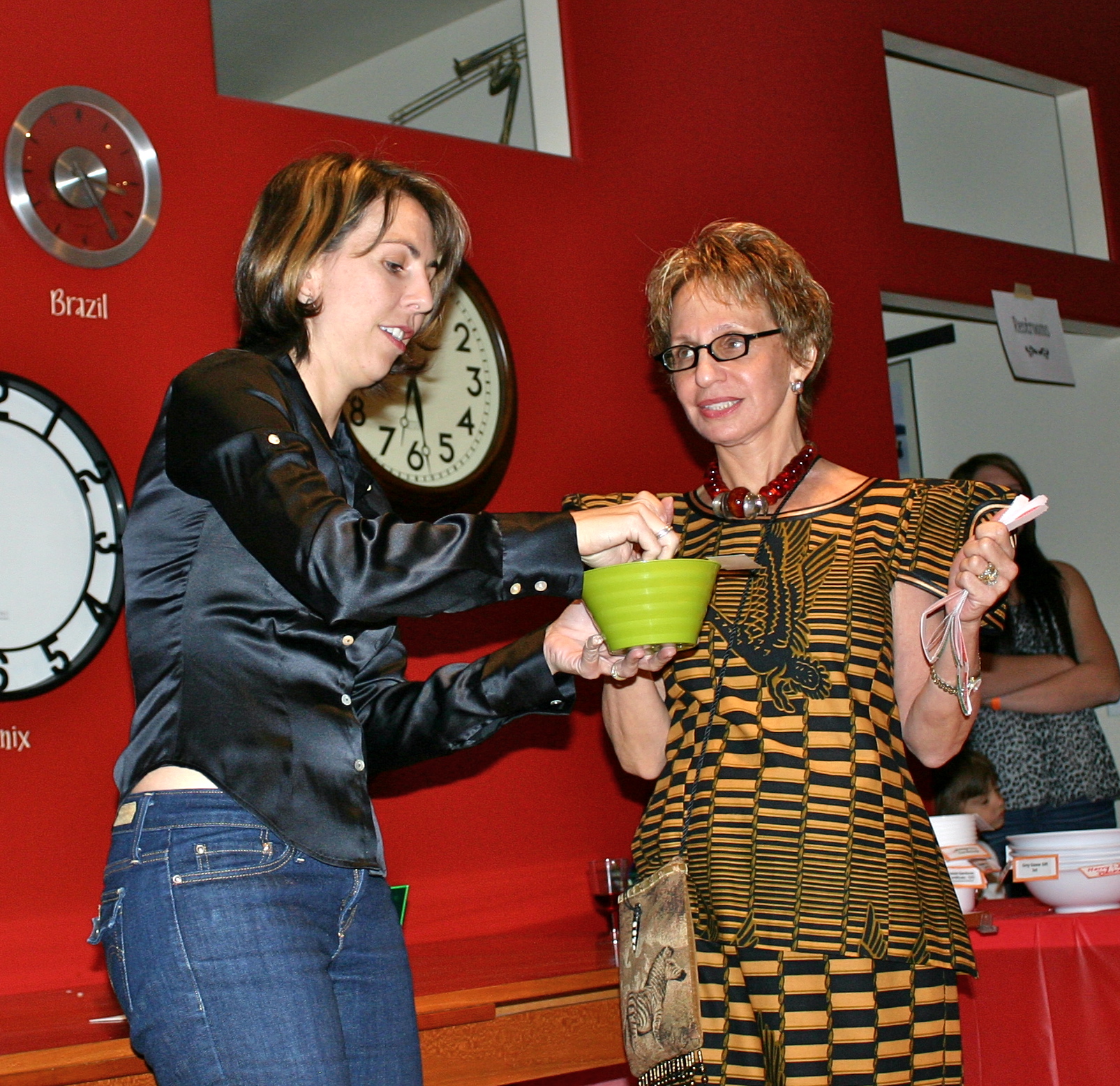
The Fifth Annual Project C.U.R.E. Casino Charity Party was a success!. It was at the home of Brian and Irene (above left) and put together by the Executive Director of Phoenix Project C.U.R.E., Michael Medero (above right) and many giving volunteers. We had fun gambling, winning auction prizes, and raising $3000 for my project in Malawi.
Things are moving quickly now. $20,000, for the shipping of the first container, has been collected. The packing list has been sent and the Cargo Approval Form has been signed. We are going to load the container from the Project C.U.R.E. warehouse in Tempe on December 15. It will take about 10 volunteers and 6 hours.
The contents will include an ultrasound machine (which will be the most sophisticated in the country) generously donated by Scottsdale Medical Imaging, a carbon dioxide laser machine generously donated by a plastic surgeon in town, an Xray machine, oxygen concentrators, and an operating table and lights. The list spans 4 pages of boxes and boxes of supplies.
Jerrold and I already have our air tickets to return in mid-March, which will be after the container arrives. We are both so excited. We will facilitate the training of the healthcare workers on the use of the equipment.
I am grateful to the so many people who have been so generous with their monetary support. My friends, patients, family and colleagues have donated about $25,000. Every dollar donated translates directly into $20 of medical supplies and equipment which save many lives. Thank you!
ONE STEP CLOSER TO SHIPPING Thursday, November 11, 2010
The funds have successfully been raised for our first container! Project C.U.R.E. has compiled the preliminary shipping list, including an Xray machine, an ultrasound, oxygen concentrators and pages of other needed equipment and supplies. On Saturday, November 20, there is the Fifth Annual Project C.U.R.E. Casino night. All funds raised will be going to my work in Malawi. I am very excited and so appreciative of all the support I have received.
LESS THAN $1000 TO GO Tuesday, October 26, 2010
Everyone has been amazing. I have raised over $19,000 to fund shipment of my first container to Malawi. I thank the doctors and dentists I work with, friends, friends of friends, my family, members of the New Shul, and others who heard my story and just wanted to help.
OUR GOAL IS WITHIN SIGHT Wednesday, September 29, 2010
Donations are coming in. So many have been so generous. I have successfully collected nearly $15,000 of the $20,000 needed to ship the container. I plan to go to the Project C.U.R.E. warehouse to start to tag the items to be sent to Malawi. Thank you everyone!
TECHNOLOGY AND DIRE POVERTY Sunday, August 8, 2010
I am smiling; I am crying. Being in Africa here gives me a new look on life. Presenting the Venerable Archdeacon Pembamoyo with a new digital projector, which he will use to teach thousands of school children, fills me with joy. Driving through the dirt roads, watching children bathing in the contaminated Shire River, fills me with sadness. The task to improve healthcare, capacity build and educate the poorest of the poor is exciting but overwhelming.
I am now flying home, eating all sorts of processed food, sipping wine and not fearful of drinking whatever water I am served. I woke up this morning (or however many hours ago) under a mosquito net, without electricity and having to boil water for tea on a charcoal fire.
My task now is to raise $20,000 to pay for the shipping of a container of medical supplies stored in Project C.U.R.E warehouses. The supplies, that would otherwise end up in a landfill, will leave the U.S., travel across the Atlantic, around the southern tip of Africa, into the Indian Ocean, dock at Mozambique and travel overland by rail and truck to Malindi. I will return soon after the container arrives to start the process of training hospital employees and healthcare workers to utilize the equipment.
I am blessed to have the ongoing opportunity to improve the lives of the grateful Malwians I have met, even if it may be for brief moments in time.
Dr. Helen
WORK Friday, August 6, 2010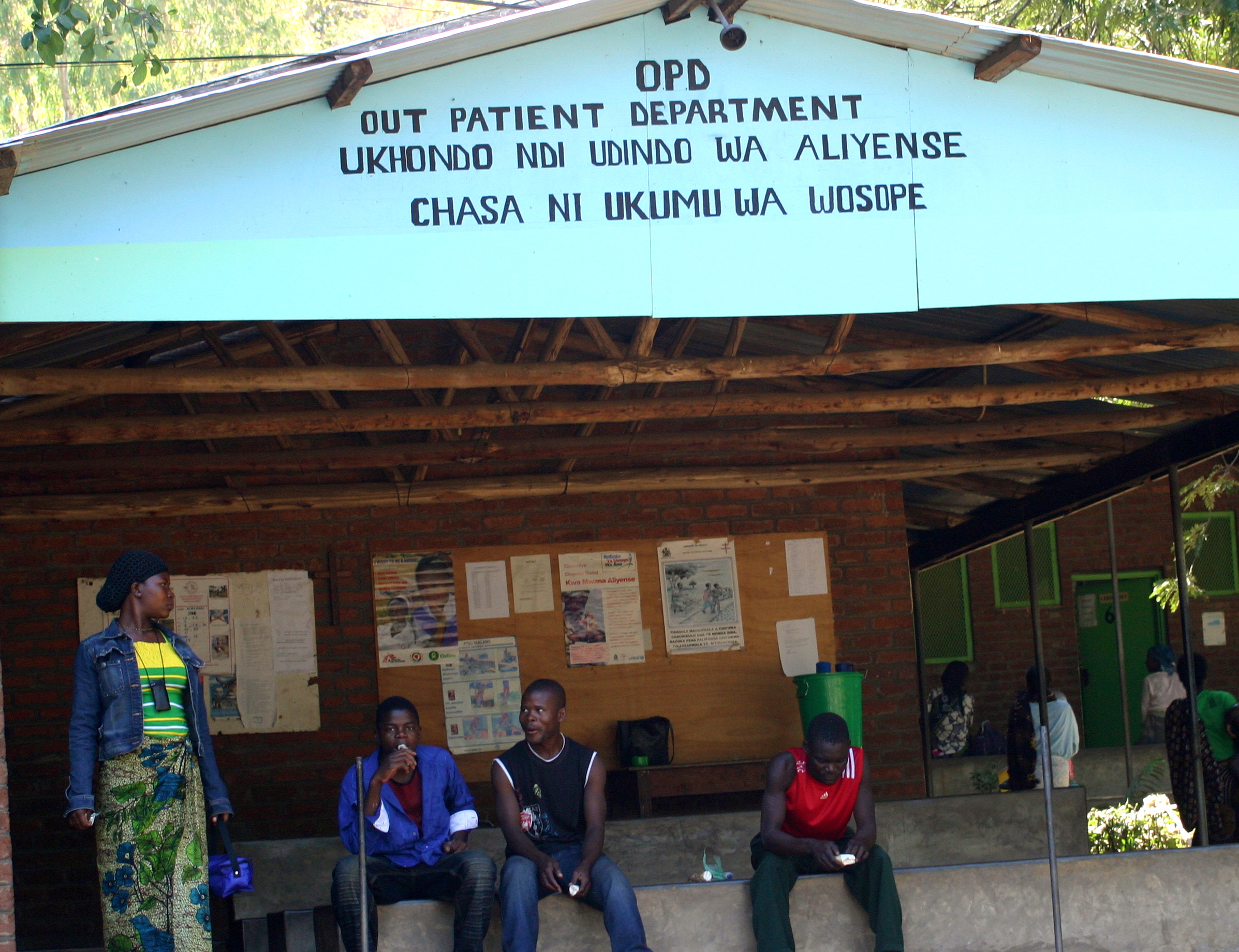
The three weeks at St. Martin’s has not been long enough. I do not feel I have done enough. For the past two days I have given talks on diabetes and hypertension to the medical assistants, nurse/midwives and clinical attendants. Preventive medicine is not generally practiced in rural Malawi.
I am working in the outpatient clinic. An 8-month-old baby comes in with malaria and severe anemia. None of her relatives match her blood type. A 19-year-old boy from her village, who is a match, donates his blood and saves her life. A man presents with huge lymph nodes in his neck, axilla, groin and has a very large liver and spleen. He is HIV negative. The working diagnosis is Burkett’s lymphoma, found in malaria-endemic areas. He will probably never be biopsied nor treated. Another man walks into clinic asking for a renewal of diabetes medications. His blood sugar is over 600 (dangerously high level) and he declines admission because he has no money (St. Martin’s is a private mission hospital). A 16-year-old presents to donate blood. She is disqualified because she tests positive for syphilis. She is back in elementary school (She dropped out for many years) , lives with her grandmother, and would not disclose who her partner(s) are.
A mother comes in with a 4-day-old infant who stopped feeding the day before. I took the baby to rush her to the ward to get oxygen and try to start an IV. The baby boy died in my arms.
On Thursday, I worked the ARV (Antiretroviral clinic), as the only practitioner, with the assistance of translators. I saw 80 patients with AIDS, all who walk miles to get their medications every 1-2 months. HIV medications are supplied by the government. A major effort is being made throughout the country, and throughout Africa, prevent and treat HIV/AIDS. Education is the key. Progress is being made.
Dr. Helen
ST. MARTIN’S FIRST LECTURE Tuesday, August 3, 2010
The Phoenix-Malawi connection precedes me. A practitioner from Phoenix, Jenn, has been coming to Malawi for five years, instructing on the treatment of severe burns at Nkhoma Mission Hospital, near Lilongwe. She met Will, an eye surgeon from U.K., who has a four-year contract at the same hospital. He performs 2000 cataract surgeries a year! They married in Malawi two months ago.
I organized St. Martin’s Hospital’s very first lecture/slide presentation for Monday morning. It was a huge success. Nearly every clinical officer, nurse, medical assistant, and health care worker attended. The questions were impressive covering all areas of burn prevention, treatment, infection control, fluid management and nutrition.
A Dutch benefactor is building a new ward for burn patients in Nkhoma. It is the only center in all of Malawi that currently does grafting with a machine called a Dernatome. A precise thickness of dermis and epidermis is removed as the graft. The graft is then flattened out and placed on the debrided burn site. Wound dressing are changed daily. When they run out of the topical cream Silvadene, the papaya fruit works just as well to promote healing.
Second and third degree burns are common. Most cooking is done outdoors over an open fire. Children play around the fire and are the number one victims.
Seizure disorders are common because of the high incidence of cerebral malaria. Due to lack of education and superstition, seizure patients are felt to be cursed. When they fall into the fire during a seizure, no one wants to pull them out. These children with disfiguring scars become further outcasts of society. It is very sad
I am hoping that on my next visit to Malawi I can work with Jenn debriding and grafting third degree burns.
Dr. Helen
PROJECT C.U.R.E. COMES TO MALAWI Friday, July 30, 2010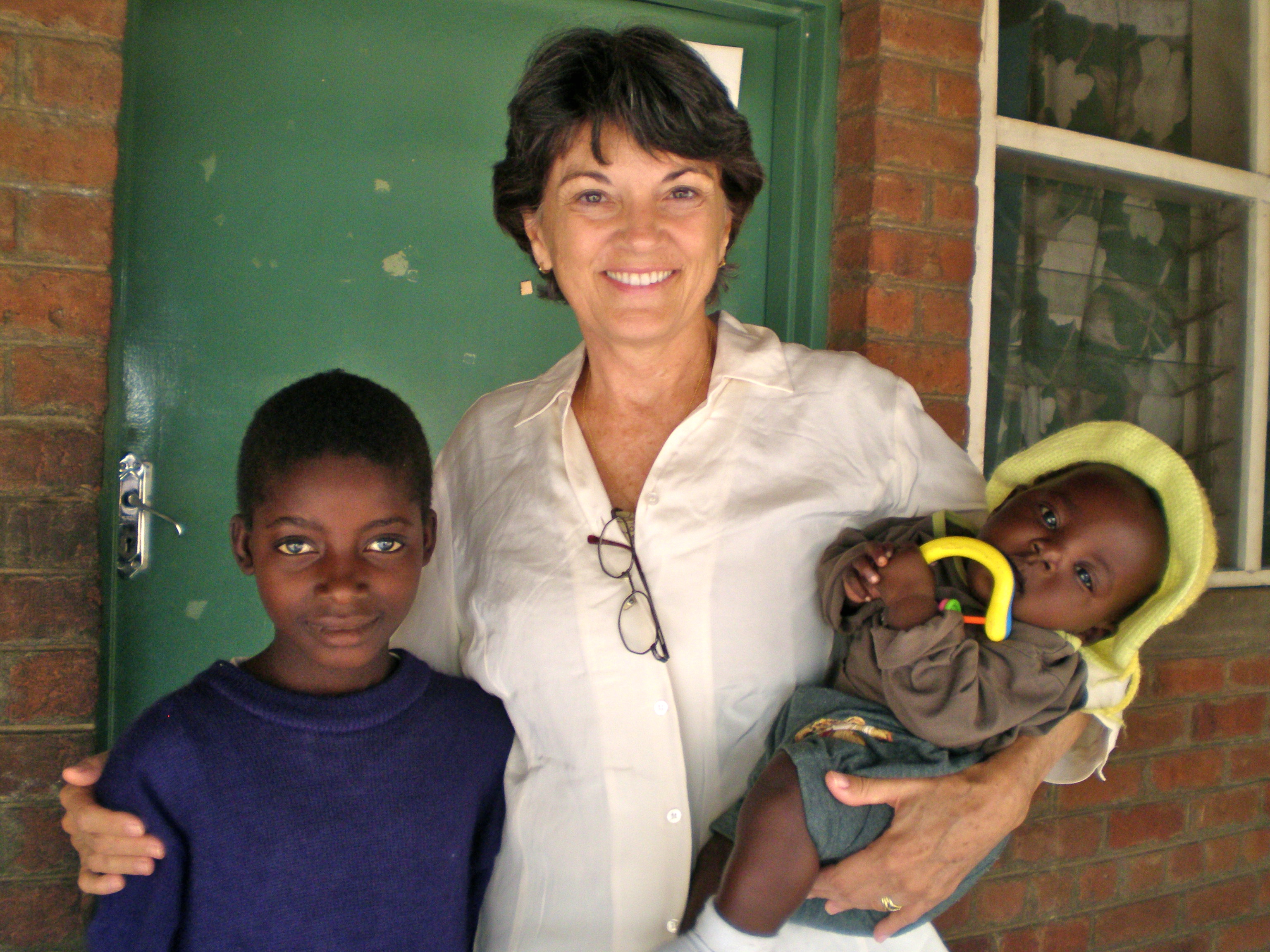
Patty arrived on Wednesday. She is a former operating room nurse from Denver who volunteers for three nonprofits. Her job here involves assessing the needs of the hospital, getting signatures from the private and public sectors of Malawi to guarantee duty-free transfer of the container, and evaluating the best shipping route. Project C.U.R.E., who sends about 50 containers a year, has not lost one yet.
We have met with many people and have reviewed many needs lists. The paperwork is in progress. Once I raise $20,000 (everyone, please help!), the Phoenix, Denver and other C.U.R.E. warehouses will be queried for the items that Patty specifies the hospital needs. My three ‘candles’ are the incredible ultrasound machine donated to me by SMIL, an X-ray machine, and lab machines to measure CBC and chemistry. The remaining space of the 40-foot container will be filled with literally tons of other supplies.
The next job, after the supplies arrive from the U.S., is to train and/or find trained ultrasound, Xray and lab techs to run the machines; to purchase supplies (e.g, film, probe covers, reagents); and to investigate means and ways of repairing the machines. Spending more time in Africa and witnessing unexpected ‘miracles’, I trust that things will work out.
Dr. Helen
AN EIGHTEEN-YEAR-OLD Tuesday, July 27, 2010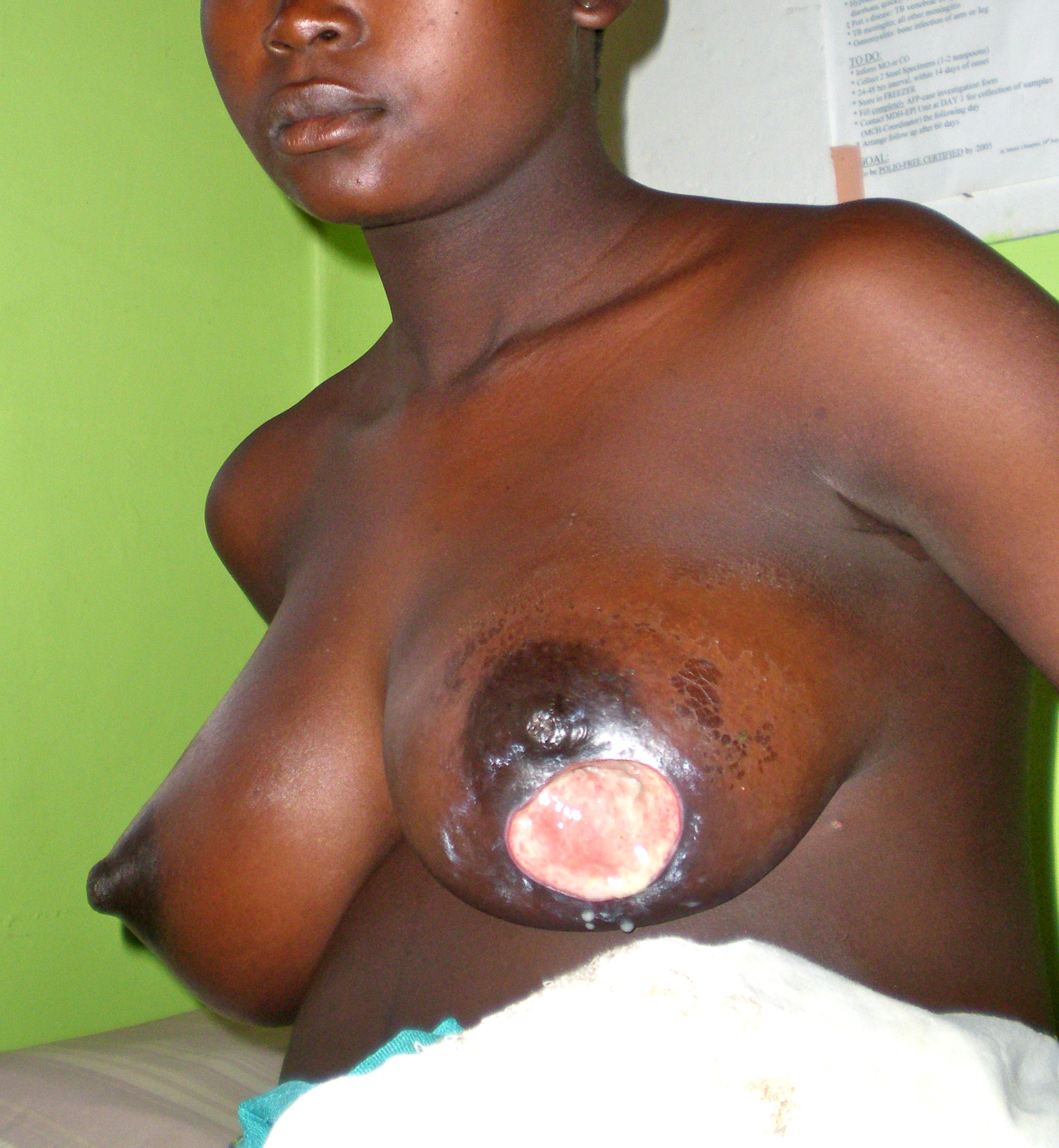
This young girl presents to the clinic complaining of breast pain for one week. You can imagine my surprise when I asked her to undress for an examination. Her baby, whom she is breastfeeding, is a few months old.
What makes someone finally present to the hospital for evaluation and treatment? Did she think the ulcer would resolve on its own? Did she tell her husband or her mother about her pain and drainage?
I am unable to photograph the true tragedy I see here. In the pediatric ward, young mothers and babies with malaria, AIDs, and pneumonia line up for medications. I observe and address the complaints. I work in the capacity as a healer trying to gain their trust. Photographing people at their most vulnerable is not appropriate.
There are many clans/tribes in Malawi with superstitions. The Yaos, who live in this area, until recently, did not want their children to get an education. Making a good living fishing was the ultimate goal. The mosquito nets supplied by the government are used to catch fish. Despite dissemination of information and treatment, malaria and HIV are prevelant because of old customs and denial of new teachings.
Dr. Helen
ANIMALS ARE EVERYWHERE Saturday, July 24, 2010
We just completed a dinner of fish caught a distance up the lake. When the winds blow in the wrong direction, fishing here is minimal. This translates to a low hospital census. If people cannot afford to pay for their clinic visits, hospital stays and medications, they will not come. Malawians are proud. Upon discharge, if they do not have the money to pay the bill, family members will walk many kilometers in bare feet back to their villages to collect donations.
Yesterday, walking to the clinic, we saw a white person. Hannah is a family doctor from Belgium who is working with the NGO Medecins Sans Frontieres (Doctors without Borders). Her three month mission is to address the measles epidemic, which is unexpected and rampant. There are many complications due to vitamin deficiency and malnutrition.
Healthy and happy goat, chicken, turkey, lamb, and cow families roam all over the hospital grounds. They are individually owned and breed to be eaten. There are so many that I have no idea how people can identify the ones they own. The hospital administration’s solution was to fence in a large area and charge owners a fine to retrieve their animals. However, no one had money for the fines. At the end of the day, the hospital ended up feeding the animals. This procedure was abandoned.
Mr. Ngosi has two scraggly emaciated dogs who both, within the past month, had litters. The puppies, numbered at 15-20, are adorable. They are hungry because their mothers don’t eat enough to adequately feed them.
The hospital is kept very, very clean. The floors and walls are washed with disinfectant two times per day. Surgical procedures are very sterile. However, the Operating Theatre is temporarily closed because of infestation with termites. A clump of wood from the ceiling fell into the operating field.
Dr. Helen
WE ARE NOT TAKEN FOR GRANTED Thursday, July 22, 2010
Our gifts of laptops, camera and projector in addition to medical supplies and medications are so appreciated. When we gave Eric, the ambulance driver, a camera, because he wants to start his own ‘graphics business’, he had tears in his eyes saying it is absolutely the best gift he and his family could ever receive. And John, the accountant, is thanking us day and night for the laptop, saying it is going to make his work for the hospital so much easier. Everywhere we go we are thanked for being here. So little goes such a long way.
Visitors come and go all day long. One day three children came with their parents and we gave each a biscuit. When we came home the next afternoon, there were no fewer than 20 children sitting on our porch. We regretfully had the draw the line. There are two little girls who hang out in our house after school, Promise and Charity, who look at the pictures in the magazines we brought, and practice counting in English with Jerrold.
Soccer practice is at 4 PM daily. There are 3 teams in Malindi. St. Martin’s Hospital lost their first game last week. They did not have a soccer ball to practice with; the two we brought has already improved their game.
Jerrold has become an avid reader. He has already completed 2 of the 6 books we brought and one of them is ‘Dead Aid’, a book by a smart and educated woman from Zambia, who discusses why aid to Africa should be cut. Jerrold will likely not read this. This is where a Kindle would have been useful. The forehead reading lights we have are great since it is winter and there are only 11 hours of daylight. Thank you, Sherrie.
Dr. Helen
HIV Wednesday, July 21, 2010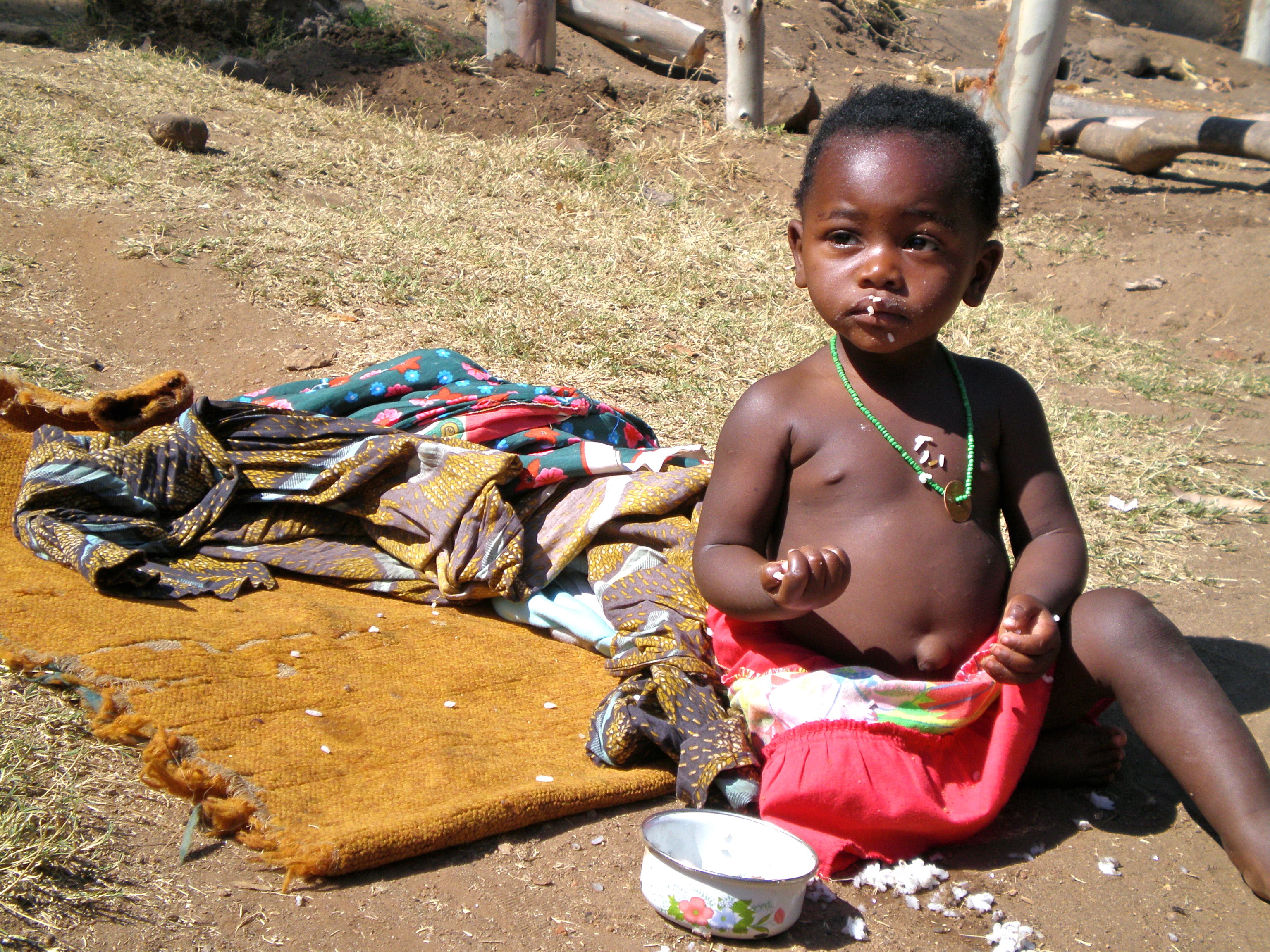
It is truly quite distressing. There are more than 100 men, women and children who come to each ARV (antiretroviral) clinic. The worst are the babies who are HIV positive because their mothers fail to get tested or fail to take the appropriate antiretroviral therapy during pregnancy and at delivery. Even after mothers give birth and are diagnosed, they do not stop breastfeeding because of the risk of malnutrition. The clinics and medications are accessible and free; information about HIV/AIDs is readily available.
I see patients at the OPD (Outpatient Department) and on the wards. For patient confidentiality (which is a little strange here) when an HIV test is ordered, the clinician requests DCT (Diagnostic Counseling and Treatment.) If the test comes back in single digits (0-9), HIV is negative; if the test comes back in any double digit (11-99) then the patient is positive for HIV.
One of our patients died yesterday. He came in with edema. There is no equipment to test his electrolytes and kidney function, nor to take an X-ray. Treatment is hit and miss; should we given them IV fluids or a diuretic?
On that same day a 50-year-old man comes to Clinic requesting a circumcision. He is Moslem and started to pray with his wife. This is done as an outpatient procedure. The Ministry of Health is working on the procedure of circumcising all male newborns for health reasons.
I am learning Chichewa, the national language, slower than I would like. One of the reasons is that Malindi is a region of the Yao clan who speak Chiyao. The hospital employees often need locals to translate for them. There are many different tribal languages in Malawi. Many Christian religions (Anglican, Sisipi, Roman Catholic, Seventh Day Adventist, Church of Clear Waters) are observed and there is a large Islamic presence. It seems as though everyone gets along. When two people (only of the opposite sex; Malawians are very homophobic) want to marry, which can be across tribal and religious lines, two uncles get together and shake hands.
Dr. Helen
WE ARE HERE Monday, July 19, 2010
We arrived late Saturday night, greeted by many people at our house in the dark. I was told by one of the escorts who picked us up in the ambulance that the electricity does not go out often. It appears as though we drained the generator twice already. The weather is absolutely perfect. This is the time of year to visit.
Before we arrived in Malindi we changed money in Blantyre on a street corner for a considerably higher exchange rate. How interesting! It is amazing how much more we can buy for the hospital. While in Blantyre I purchased a ‘dongle’, a 3G broadband connection to the internet. I was so excited to have Internet access. Nope, not in Malindi!
St. Martin’s Hospital has more notoriety. They are one of four hospitals chosen as a pilot project for HIV treatment/ counseling and prevention. As part of the program, healthcare workers will be trained to ride motor scooters to go to remote communities and track down patients who have not returned to HIV Clinic to get their medications. This program is sponsored by CDC and US President’s Emergency Plan for AIDs Relief (PEPFAR) to try to achieve the Millenium Development Goals (MDG) 3 and 4. Dr. Paul Farmer’s NGO Partners in Health has been a great model throughout the world.
Jerrold is acclimatizing well. However, he wakes up several times in the middle of the night thinking he is being attacked. The mosquito net is sticking to the stubble on his head like velcro. It will be better after his hair grows.
There is a measles epidemic in sub-Saharan Africa. No one seems to understand it because children and some adults have been immunized with measles vaccine for years. Many are dying from complications of measles. Are you old enough to remember when everyone got measles as a child? It wasn’t so bad being put into a dark room, watching TV and missing school for two weeks.
Dr. Helen
A FAMILIAR JOURNEY Friday, July 16, 2010
It is twelve in the morning, and I woke up bright eyed after three hours of sleep. Jerrold can’t sleep as well. We are in a chilly (temperature) and warm (people) guesthouse room in Johannesburg. We remain in Jo’burg for 2 nights to catch one of the two weekly South African Airline flights to Blantyre. Even the Malawians do not feel safe flying Air Malawi.
This trip to Malawi is so different from the first time I went. In December, I was alone, did not know where I was going, what I would be doing nor how I would be received. Now, traveling with Jerrold is so much more comforting. The route is familiar, and on the flight from Madrid to Joberg I met an old friend – Justice, the South African ambassador to Cuba. He and I took that same flight together in mid-December (He hasn’t been on that flight since)
The first time I visited St. Martin’s Hospital in rural Malawi I was overwhelmed by the poverty and the unnecessary deaths, and felt helpless. I am now returning with a plan and many contacts both in and out of the country. I have been appointed to the Board of the Lakeshore Health Department of the Anglican Diocese of Upper Shire. Project C.U.R.E. has accepted our hospital as one of their projects. A experienced representative from Project C.U.R.E., Patty, is flying from Denver next week to meet us at the hospital to perform a Needs Assessment Study of medical supplies and services. A container valued at $400,000 will be delivered to St. Martin’s after shipping costs are collected.
I have had the pleasure of meeting Jean, who has great interest in Malawi, and has pledged a large donation for the shipping.
I look forward to seeing my old friends who I have kept in touch with and gotten to know better via email and text messaging. For my first journey, I filled up suitcases with supplies I thought would be of benefit. Brand name medications (donated by drug reps) were not used because no one ever heard of them. Manual BP cuffs sat around because of the lack of stethoscopes.
We have now brought new and unused laptops (bought on Craigslist) to keep track of data for a new HIV project funded by CDC, WHO and USAID. 14% of the population in Malawi is HIV-positive. There are been great progress with the Prevention of Mother-to-Child Transmission (PMTCT) program.
We have brought a projector (also from Craigslist) to assist the teachers, healthcare educators and clergy with presentations to large groups. Also packed are generic medications, electronic BP cuffs, thermometers, glucometers, glucose test strips, suction tubes, NG tubes, sterile packing, medical books, clipboards for charting, a camera, soccer balls, and coloring books in Chechewa teaching children and their families how to prevent and treat burns. A Physician Assistant, Jenn, from Phoenix, works in a large burn center near Lilongwe, teaching healthcare workers to treat burns, and community members to prevent them. 5000 coloring books are sitting in Phoenix because shipping is too expensive. The books will definitely go onto the container.
Scottsdale Medical Imaging has graciously donated a sophisticated Siemens ultrasound/doppler machine to me/St. Martin’s. This gift is vital in improving childbirth outcome/maternity and newborn health. Does anyone know of an ultrasound tech who would like to volunteer to come to Malawi to teach nurses/midwives to use the machine?
My biggest travel fear, thus far, was having the 22 vials of Insulin on-ice confiscated. I was sure I would have to talk my way through (with all the official-appearing letters I wrote) at every security checkpoint. Instead, I mentioned to each screener that I am carrying Insulin, and the insulated sack containing 22 little bottles of clear fluids passed through without being opened nor questioned. There was much more suspicion over my pants’ zipper and MacBook.
I am truly excited to return to my house on Lake Malawi. I have been blessed with the installation of a small hot water tank.
Dr Helen
MY PARTNERSHIP WITH PROJECT C.U.R.E. Monday, May 31, 2010
I can’t believe it has been nearly five months since I have posted an entry in this journal. I arrived back to the States safely, and went back to work. Initially, I wasted nothing. I reused plastic bags over and over, limited my shower time, and so appreciated the hot water. I could not go into a store and buy anything that was not a bare necessity, thinking how the few dollars here and there could add up to pay school fees. I spoke on the phone to the hospital every week, and texted and emailed many of the young people I met. I remember the first meal in a restaurant after I came back. The wasted food was painful.
Although I have slipped back into some of my familiar habits, my passion to bring better health care to Malawi is as strong as ever. I am very excited to report that I have partnered with Project C.U.R.E (www.projectcure.org). They are an NGO based in the US that maintains huge warehouses of discarded, unused and expired medical supplies donated by hospitals, manufacturers and other donors. They have agreed to take on my hospital as a project (#MW-09-082, St. Martin’s Hospital, Malawi) and the plan is to send a container of medical supplies valued at about $400,000. My task is to raise $23,000 for transportation costs. I know nothing about fundraising, and at this point, feel uncomfortable with it. However, with that said, if anyone who reads this, is so inclined to help, donation on-line is simple. I tested it out myself. Please specify #MW-09-082, and 100% of your tax-deductible donation goes directly to shipping costs.
I return to St. Martin’s Hospital for almost a month in July/August with my husband, Jerrold. For the next 5 weeks, I am back into my planning phase. I must select the most important things to bring, given the weight restrictions on air flights. I am hoping to bring an ultrasound machine donated by Scottsdale Medical Imaging. I am working on a plan to create patient charts. Patient charting was done on loose pieces of paper which became separated, damaged and lost. Can you picture all those medication errors?
I welcome anyone who reads this to contact me at helentz@aol.com. I accept any assistance you may have, and offer assistance to you in starting your own project. I won the lottery by being born in the US, and it feels good to share my lottery winnings with the people of Malawi.
Dr Helen
MY LAST DAY IN MALINDI Sunday, January 10, 2010
James informed me, early this morning, that his 6-year-old son was in the hospital and that he was not doing well. I went over with him, and the poor little boy was having a seizure, either from cerebral malaria, or because his temperature was 40.1 C or both. There was no clinical officer nor nurse around. I yelled for someone to give him Valium (in English and then attempted Chichewa so no one understood me), and then, while demonstrating to the family to sponge him with cool compresses, I started to grind the equivalent of Tylenol so he could swallow it. I gave him the mixture and of course he spit it up all over me. I was more upset over his critical illness then everyone else including the family. People just expect children to get sick and die. I can’t get used to it. Maybe it is their protective mechanism because it happens all the time. The boy ended up doing well.
Everyone, now that I am leaving, is coming over to my house with shopping lists. They want money for their children, money for school, supplies for the hospital, cameras, computers, sponsorships to the US, names of donors, etc. I have just finished the book “The Bottom Billion” by Paul Collier. I now understand when he says financial aid to governments of countries in the bottom billion interferes with the development of strategies appropriate for their circumstances.The current strategies have become shopping lists presented to donors. Their objective should be growth from within rather than aid. I have spent time here working with the hospital staff, at all levels, making suggestions on how they can improve efficiency, patient care, and personal satisfaction by developing new strategies. I fear that much of it will not be implemented.
I leave tomorrow for Lilongwe, and I hope I can post this journal.
THE MAGNIFICIENT SKY Saturday, January 9, 2010
The Summer sky in the Southern hemisphere is totally lit up with stars. It is too crowded for me to recognize any constellations. The fireflies on the ground remind me of my childhood in NYC. The sunsets are magnificent and last quite long. My favorite time is early morning, when the fishermen are just packing up, because it is cool.
My time here is drawing to an end, and I have mixed feelings about leaving. It is quiet, peaceful, and slow; it is the pure getaway. However, I cannot live without the internet, current events, warm water, my family, friends and my pets. I do speak on my cell phone to my family daily, and it is not expensive. There is so much to be done and I do feel I have made some difference. I am motivated to work hard at home to assist St. Martin’s, and then to return here soon.
EDUCATION Friday, January 8, 2010
A day of deliveries. First twins, and then a little girl. I am really enjoying this but I do admit I am terrified about getting HIV or Hepatitis B or Tuberculosis. I cover myself up so well that I can’t even breathe in the heat. Several times I nearly fainted.
All our children born in the US have truly won the lottery. They are guaranteed an education through High School and most can go to College if they choose. Although Primary School education in Malawi is free, many of the children born in this remote rural area, especially the girls, will not even start school because it is not encouraged by their parents for any number of reasons (e.g.,distance, cost of supplies). On the other hand, today, I walked to St. Michael’s Secondary School, a premier boarding school for the top notch girls in the country. These girls are truly motivated. They are smart, articulate and polite. They appreciate their education and have worked very hard to be there. I enjoyed sitting in on Biology class, and participating in an English lesson
MALARIA NETS Thursday, January 7, 2010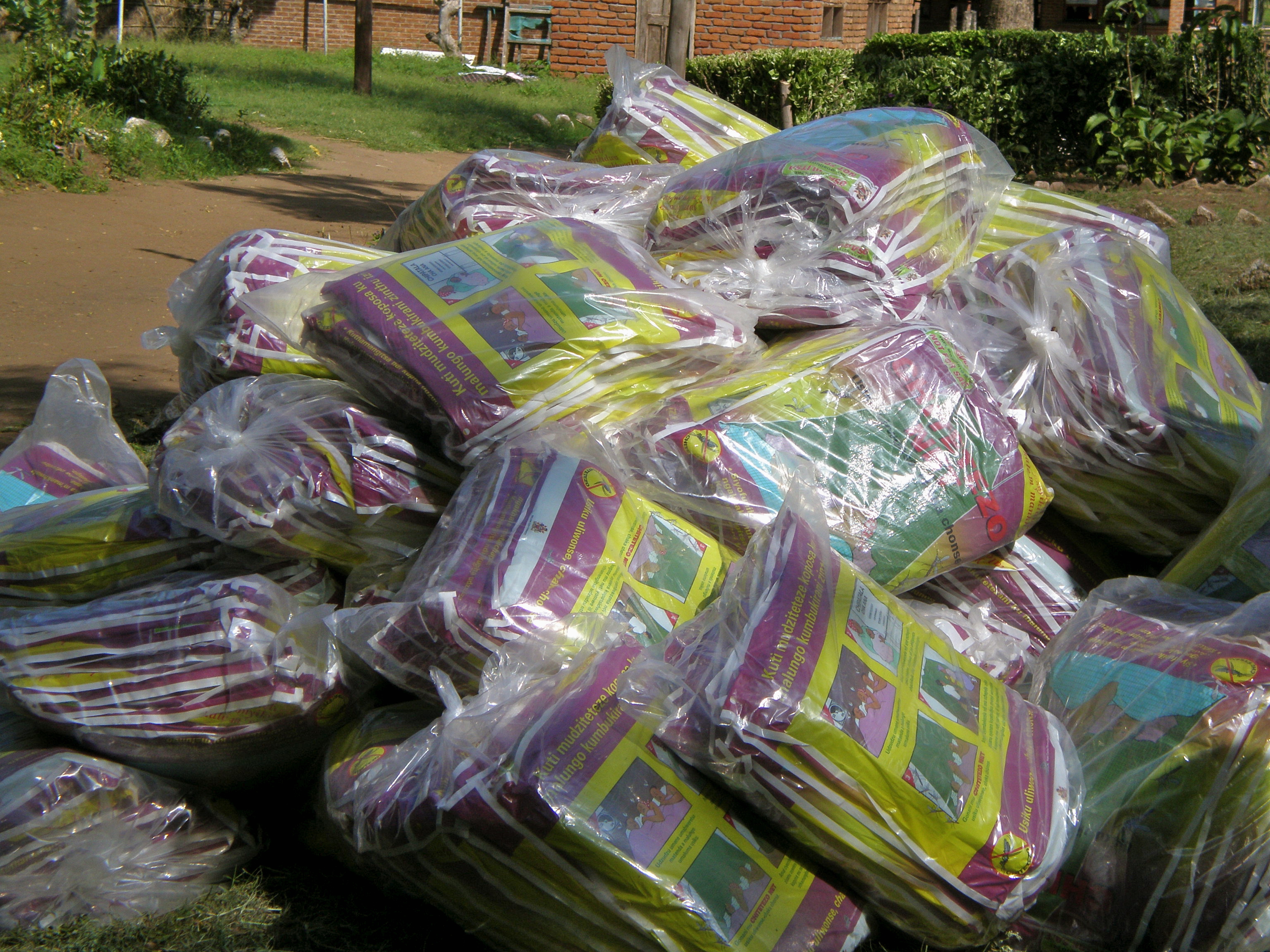
There is no money to buy medications and supplies. Nurses are leaving because of inadequate housing. The hospital is 50% understaffed. Just when everything looks so grim, a truck pulls up with a delivery of 800 malaria nets. Someone in some government or non-government agency thought the community needed them. We definitely do. Malaria is rampant during this rainy season. The challenge is convincing women and children to use them. Many women are convinced that nets are a white man’s creation to keep men away and decrease the birth rate.
Many Moslems reside around the lake because this was a travel route from the Middle East before the Christian missionaries arrived(Dr. Livingstone passed through Malindi in 1886).The Christians and Moslems live well together and respect each other’s religious beliefs and customs. No one has a clue what a Jew is but the Seventh Day Adventists do celebrate their Sabbath on Saturday. James, my cook/housekeeper is a Moslem. He has two wives. A day does not pass without his bringing in a child or two for me to photograph.
MOBILE CLINIC Wednesday, January 6, 2010
I am disappointed that I missed two C-sections and a hydrocele repair today. I was at a mobile clinic. Several clinical workers drove off-road to the middle of nowhere. In front of a hut, many mothers and children were waiting, mostly for newborn immunizations. We also did a few prenatal visits and sick visits. We gave at least 150 oral polio, DPT and BCG vaccines. BCG is an immunization against TB, which does work when the patient is not immunocompromised (e.g., with HIV). It is very common in undeveloped countries. I gave so many immunizations to the babies. My nurse, Patty, would be proud of me. Yes, Jerrold, I did double glove. Each syringe and needle is sterile, but there are no alcohol wipes to clean the skin.
Maintenance of medical records is sensible. Every person has a booklet, which they keep on their person. Every healthcare worker they see, documents in the booklet. There are special booklets for children which include vaccination requirements and growth charts.
SO MANY CHILDREN Tuesday, January 5, 2010
I was on the job interview panel for St. Martin’s Hospital. It was a very formal procedure. The candidates for the job positions and the other members of the panel were all dressed up – suits, ties, dresses, heels. The positions were Matron (the equivalent of our Nursing Director), Chief Clincal Officer, Senior Clinical Officer, and some business staff. The format was structured and each interview was extensive. I was very impressed. After 6 hours straight of interviews in a sweltering church in Mangochi, each panel member was given an envelope of 2000 Kwatras ($13). It is so hot and humid. I can not believe they wore those clothes.
I have so many daily visitors. They come in and sit down and pick up the books I brought. I can’t read my books fast enough because I have promised I would leave them all.
Parents ask me to sponsor or find a donor to sponsor their children’s educations. Private secondary school (High School) is a better education than public secondary schools. The charge is $300 every three months but the typical family cannot afford it.
There are so many children, mostly very happy, singing and playing in groups.
DAUDI Monday, January 4, 2010
This is the face of an 18-month-old little girl born with HIV. Daudi is in WHO classification Stage III, which diagnoses her with AIDS. Children with her condition can live up to the age of 15 if they are compliant with ART (anti-retroviral therapy) but most hare not. The biggest cause of death is malnutrition due to poverty.
Both Daudi’s mother and father remain alive with AIDS. The father, a ‘businessman’ was the first to catch HIV and gave it to the mother. The mother says she knew she had HIV, but she did not use birth control because she was misinformed that such methods cause infection and/or cancer. There are four other children in the family without HIV – ages 8,6,4, and 2. They live in a village without easy access to centers that distribute ART drugs. We admitted Daudi to the hospital today with weakness and fever and malnutrition.
There are problems on so many levels – lack of education, false beliefs, noncompliance, poverty, lack of food, lack of health care in rural areas, lack of training institutions for health care professionals, misuse of funds/donations, etc. Where does one begin?
IDENTICAL TWINS BY C-SECTION Sunday, January 3, 2010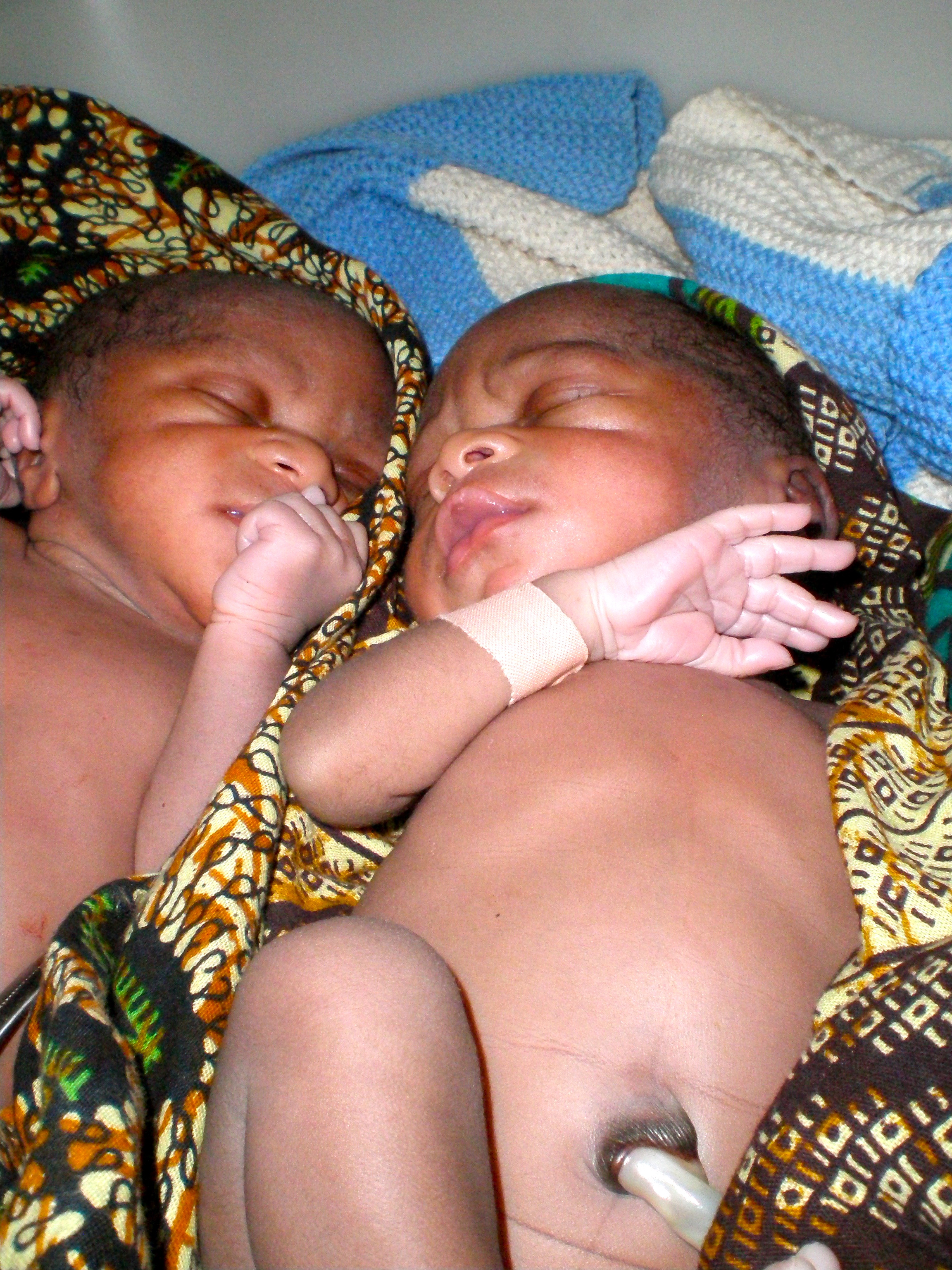
Mr. Moda, the surgeon, knocked on my bedroom window at 9:30 PM last night. He was performing an emergency C-section (There was a cord problem) and would I assist? Believe it or not, the only other C-section I attended in my life was my own. The anesthesia technician, the nurse/midwife, the surgery tech and another assistant were all there. It was amazing how quickly they set up the Operating Theatre. I scrubbed, gowned and put on 2 pairs of sterile gloves. A lumbar block was quickly performed, anesthesia was given, the field was sterilized, the patient was draped and the incision was made. Experience and skill were everywhere. I assisted with the opening, the suction, the retraction, pulling out the babies, cutting the cords, and the closure. All was clean and superfast and the little boys are beautiful. Their Apgar scores were 9 and 10. They wanted me to name the babies for good luck but I passed. The mother did well, and the babies breast fed immediately. The only problem was the terrible incisional pain that the mother had there were no narcotics in the hospital.
Ironically I am now reading the novel ‘Cutting for Stone’ by Abraham Verghese which takes place in a mission hospital in Ethiopia and is the story about identical boy twins who were born by C-section,
MY HOUSE GUESTS HAVE DEPARTED Saturday, January 2, 2010
I took Jacynth on a tour of the hospital. We watched an 11-month-old-baby expire. Again, the mother brought the baby in too late. One out of five children under the age of five die of Malaria. I was told that Malawians have such large families so that when the parents are aged, they will have some children left to care for them.
Today, I assisted with my first surgery in many years. I was reminded how to do a D&C/ extraction of retained fetal matter after birth. Next time, I hope to be able to do it myself.
My guests left, and although I appreciated the quiet before they arrived, I feel a little lonely. However, everything here takes so long. To wash my hair, we need water and electricity (to blowdry) and daytime (to avoid the nighttime bugs). I was successful today.
OUR FIRST DEATH Friday, January 1, 2010
It is not even 10 AM and we have had our first hospital death. Patients arrive at the hospital when it is too late. This man, who was in WHO Clinical Stage III (full-blown AIDs), came in today with ascites (fluid in the abdomen). He was very sick and malnourished. We removed 2.5 liters of abdominal fluid, did a smear for tuberculosis (TB), and diagnosed him with abdominoperitoneal TB. He died the day after admission.
All TB patients are required to stay in the TB ward for 2 weeks to make sure they take their medication. They are followed on an outpatient basis. TB, in all atypical presentations, is very common because of major noncompliance.
The staff now comes to me with many questions. I spend time teaching. They don’t realize how much I am learning from them.
Jacynth, an IFESH educator working in Malawi, joined us this evening. I definitely don’t entertain this much at home. For days now, I have been going different places to get onto the Internet with no success. Jacynth purchased a ‘dongo’ which is the broadband access to the Internet through the cell phone network. I tried to upload this journal, but my attempts were unsuccessful. I had hoped to share my experiences as they happen.
 DrHelenTZ
Greate pieces. Keep writing such kind of info on your page.
Im really impressed by it.
Hey there, You have performed a fantastic job.
I will definitely digg it and personally suggest to my friends.
I am confident they’ll be benefited from this website.